Who Is Publishing Diverse Books Best?
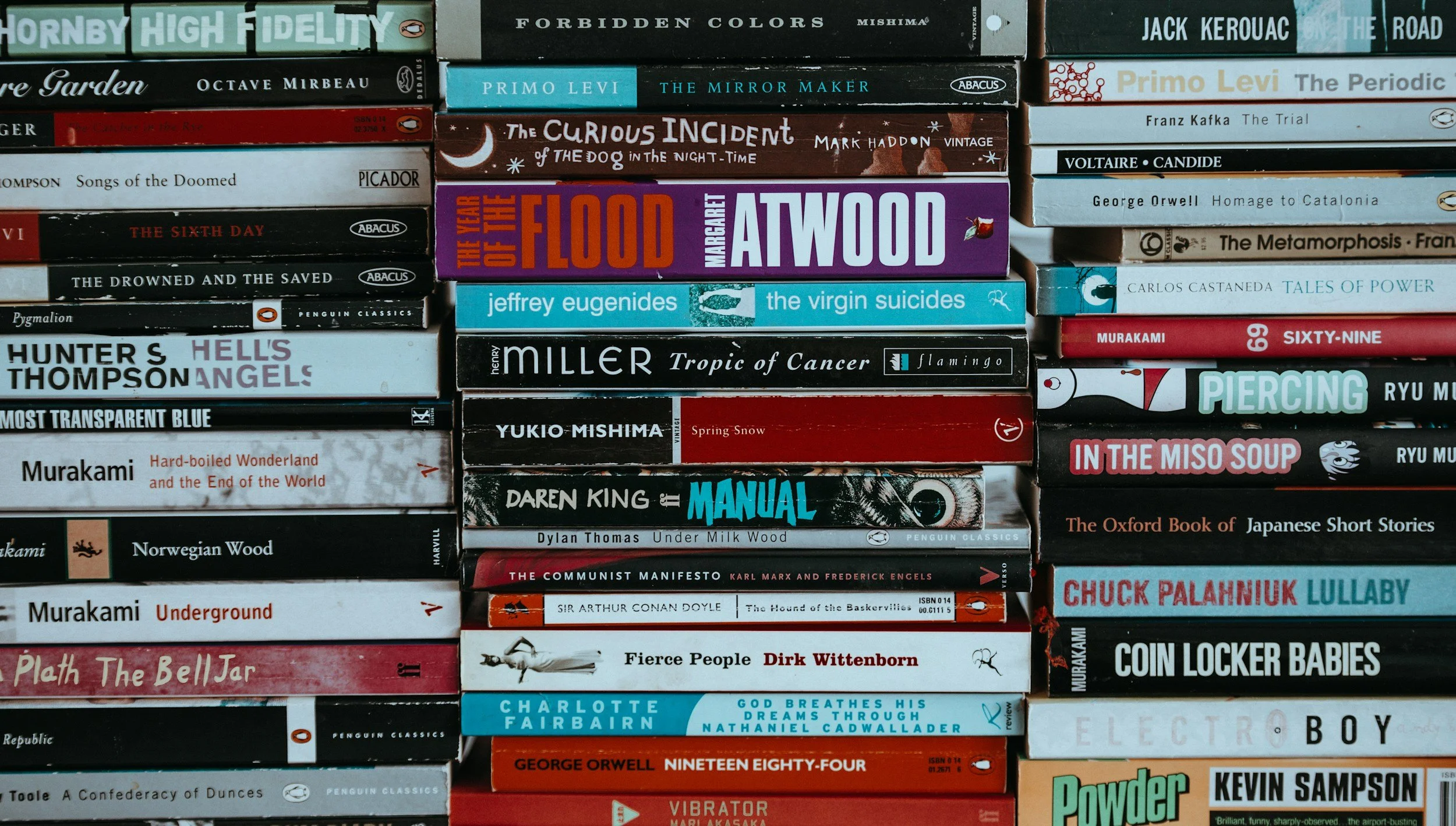
Small independent publishers are frequently lauded as the bastions of diversity while the Big Five are vilified as the primary contributors to the overwhelming whiteness of book publishing—yet no statistical data has been offered to support either claim. Moreover, the overall percentages of authors of color have remained the same year after year (Low 2016). The following study is a comparison of the Big Five publishers and small independent publishers with respect to author diversity.
Small independent publishers are frequently lauded as the bastions of diversity, while the Big Five are vilified as the primary contributors to the overwhelming whiteness of book publishing—yet no statistical data has been offered to support either claim. Moreover, the overall percentages of authors of color have remained the same year after year (Low 2016). The following study is a comparison of the Big Five publishers and small independent publishers with respect to author diversity. As social media outlets are now claiming to change the landscape of publishing by making diverse books more accessible to readers, data was sourced from an independent, reader-driven list to determine which publishers—if any—are promoting authors of color and whether their books are making it into the hands of readers.
Curators of Culture: Redefining the Role of Editors
With the trade publishing industry constantly in a state of flux, the role of the editor has continued adapting in order to keep up with these new demands. The below research is an examination of textual critics and theories across the spectrum in an attempt to outline broad goals for the ever-changing role of editors.
With the trade publishing industry constantly in a state of flux, the role of the editor has continued adapting in order to keep up with these new demands. The below research is an examination of textual critics and theories across the spectrum in an attempt to outline broad goals for the ever-changing role of editors. In light of examining the editor’s relationship to the trade publishing industry, these goals strive to increase editorial awareness and promote a new editorial approach and mindset that transcends the current overly technical state of editing. Ultimately, this research supports a deeper, more nuanced understanding of editing that increases the sociocultural value of both the editorial field and the book.

How to Edit Controversial Texts
In a time where political tensions are at an all-time high, this paper examines the role of editors when faced with potentially controversial works—whether it’s a manuscript with a few minor offensive elements or a manuscript with an overarching provocative theme
In a time where political tensions are at an all-time high, this paper examines the role of editors when faced with potentially controversial works—whether it’s a manuscript with a few minor offensive elements or a manuscript with an overarching provocative theme. The responsibilities of developmental editors and copyeditors are evaluated to find a common interest, prior to delving into the intricacies of editing a polemical text. Topics include: What constitutes a controversial work, and who decides? How do the roles of developmental editors and copyeditors relate to audience? How can editors remain neutral? How can editors use their neutral positioning to shape a text? How can editors make informed decisions?

The Light Copyedit: The Hippocratic Oath of Editing
After almost three terms as the editorial assistant for Ooligan Press, I have become accustomed to the compulsory blank stare that results from hearing the term light copyedit and the importance of maintaining an author’s voice and intent. To help myself and my invaluable editors, I have developed a list of questions to do no harm.
After almost three terms as the editorial assistant for Ooligan Press, I have become accustomed to the compulsory blank stare that results from hearing the term light copyedit and the importance of maintaining an author’s voice and intent. To help myself and my invaluable editors, I have developed a list of questions to do no harm.
Is the sentence technically grammatically correct? Everyone has probably had the experience of editing a friend’s paper and rephrasing the sentences regardless of the grammar. You just can’t help yourself, altering a word here and a phrase there until it sounds better and reads smoother. Even so, the goal of a light copyedit is to correct grammar and punctuation that is unequivocally wrong—not necessarily to fix what sounds or looks awkward. Therefore, if the sentence is grammatically correct, you might consider leaving it alone.
Is the sentence structure and phrasing so awkward that it will confuse the reader, even if it’s grammatically correct? Yes, I’m backtracking a little, but there are always exceptions. There will be times when you’ve done the bare minimum and corrected any outright grammatical mistakes, yet the structure and phrasing of the sentence is so awkward that the meaning becomes obscured. When awkward becomes confusing, it’s time to revise the sentence—even if the writing abides by the rules of grammar and punctuation.
If I’m going to make a change, is my solution the least invasive, or is there another solution that would result in fewer changes? This string of questions is fairly self-explanatory, but if you’re going to make a revision to the structure or phrasing of a sentence, consider every possibility. Sometimes the second half of a sentence might make more sense at the beginning of a sentence. And sometimes a confusing line can be improved by replacing a word with something that is more suitable to the context or closer to what the author was trying to say. Don’t settle on the quickest solution; instead, determine a revision based on how harmful it will be to the author’s voice and intent.
Lastly, query the author if a significant change is necessary. You’ll notice that this last item is a statement, not a question. If you are going to alter a sentence or phrase, or even a notable word that is used frequently, write a short note to the author. Briefly, but kindly, explain why the change is imperative to their work and offer solutions when possible, or ask questions if you’re legitimately confused. What’s considered significant or insignificant is almost entirely subjective, but if you can look at a piece of writing as a whole, you can evaluate the effect of your proposed change. You will quickly realize when it’s worth freaking out an author over a revision and when it’s best to show a change without making a fuss.
Remember: do no harm.